Mike Tyson's back injury refers to a herniated disc in his lower back that he suffered in 2003. The injury occurred during a sparring session and caused Tyson to experience severe pain and numbness in his legs. He underwent surgery to repair the herniated disc, but the injury continued to bother him throughout his career.
Tyson's back injury was a significant setback in his career. He was forced to withdraw from several fights and was never able to regain the same level of performance that he had before the injury. The injury also contributed to Tyson's decision to retire from boxing in 2005.
Tyson's back injury is a reminder of the physical toll that boxing can take on its participants. It is also a reminder of the importance of proper training and conditioning to prevent injuries.
Mike Tyson's Back Injury
Mike Tyson's back injury was a herniated disc in his lower back that he suffered in 2003. The injury occurred during a sparring session and caused Tyson to experience severe pain and numbness in his legs. He underwent surgery to repair the herniated disc, but the injury continued to bother him throughout his career.
- Injury type: Herniated disc
- Location: Lower back
- Cause: Sparring session
- Symptoms: Severe pain and numbness in legs
- Treatment: Surgery
- Impact on career: Forced to withdraw from several fights, never regained same level of performance
- Retirement: Contributed to Tyson's decision to retire in 2005
- Physical toll of boxing: Reminder of the physical toll that boxing can take on its participants
- Importance of training and conditioning: Reminder of the importance of proper training and conditioning to prevent injuries
Tyson's back injury is a reminder of the importance of taking care of your body, especially if you are an athlete. It is also a reminder that even the most talented athletes can be sidelined by injuries.
| Name | Birthdate | Birthplace | Height | Weight | Boxing Record |
|---|---|---|---|---|---|
| Mike Tyson | June 30, 1966 | Brooklyn, New York | 5'10" | 210 lbs | 50-6, 44 KOs |
Injury type
A herniated disc is a condition that occurs when the soft, jelly-like center of an intervertebral disc pushes through the tough outer layer of the disc. This can happen due to a variety of factors, including age, genetics, and injury. Herniated discs are most common in the lower back (lumbar spine) and neck (cervical spine).
Mike Tyson suffered a herniated disc in his lower back in 2003. The injury occurred during a sparring session and caused Tyson to experience severe pain and numbness in his legs. He underwent surgery to repair the herniated disc, but the injury continued to bother him throughout his career.
Tyson's herniated disc is a reminder of the physical toll that boxing can take on its participants. It is also a reminder of the importance of proper training and conditioning to prevent injuries.
Herniated discs can be a serious injury, but they can be treated with a variety of methods, including surgery, physical therapy, and chiropractic care. It is important to seek medical attention if you think you may have a herniated disc.
Location
The location of Mike Tyson's back injury is significant because the lower back is a common site for herniated discs. The lower back is responsible for supporting the weight of the upper body, and it is also a mobile region of the spine. This makes it vulnerable to injury, especially in athletes who engage in activities that involve twisting or bending.
In Tyson's case, his herniated disc was located in the L5-S1 region of his spine. This is the lowest level of the lumbar spine, and it is a common site for herniated discs. The L5-S1 disc is responsible for transferring weight from the upper body to the lower body. When this disc is herniated, it can cause pain, numbness, and weakness in the legs.
Tyson's back injury is a reminder of the importance of taking care of your body, especially if you are an athlete. It is also a reminder that even the most talented athletes can be sidelined by injuries.
Cause
Mike Tyson's back injury was caused by a herniated disc in his lower back. The injury occurred during a sparring session in 2003. Sparring is a type of boxing training in which two boxers practice fighting against each other. It is an essential part of a boxer's training regimen, as it allows them to practice their skills and techniques in a controlled environment.
However, sparring can also be dangerous, as it involves two people trying to hit each other with full force. Tyson's back injury is a reminder of the risks involved in sparring. It is important for boxers to take precautions to protect themselves from injury, such as wearing proper safety gear and warming up properly before sparring.
Tyson's back injury is also a reminder of the importance of strength and conditioning for boxers. Boxers need to have strong backs and necks to withstand the rigors of the sport. They also need to have good flexibility and balance to avoid injuries.
Symptoms
The severe pain and numbness in Mike Tyson's legs were caused by a herniated disc in his lower back. A herniated disc occurs when the soft, jelly-like center of an intervertebral disc pushes through the tough outer layer of the disc. This can happen due to a variety of factors, including age, genetics, and injury. In Tyson's case, the injury occurred during a sparring session.
The pain and numbness in Tyson's legs were likely caused by the herniated disc pressing on the nerves in his lower back. This can cause a variety of symptoms, including pain, numbness, tingling, and weakness. In Tyson's case, the pain was severe enough to sideline him from boxing for several months.
Tyson's back injury is a reminder of the importance of taking care of your body, especially if you are an athlete. It is also a reminder that even the most talented athletes can be sidelined by injuries.
Treatment
Mike Tyson's back injury was treated with surgery. Surgery is a common treatment for herniated discs, which are a major cause of back pain. The goal of surgery is to remove the herniated disc material and relieve pressure on the nerves.
- Facet 1: Surgical Procedure
Tyson's surgery was a success, and he was able to return to boxing after a period of rehabilitation. However, the injury continued to bother him throughout his career, and he eventually retired from boxing in 2005.
- Facet 2: Recovery and Rehabilitation
After surgery, Tyson underwent a period of rehabilitation to strengthen his back and regain his range of motion. He worked with a physical therapist to improve his flexibility and balance.
- Facet 3: Long-Term Effects
Tyson's back injury had a significant impact on his career. He was forced to withdraw from several fights, and he never regained the same level of performance that he had before the injury. The injury also contributed to Tyson's decision to retire from boxing in 2005.
- Facet 4: Alternative Treatments
In addition to surgery, there are a number of other treatments for herniated discs, including physical therapy, chiropractic care, and acupuncture. These treatments can help to relieve pain and improve mobility.
Tyson's back injury is a reminder of the importance of taking care of your body, especially if you are an athlete. It is also a reminder that even the most talented athletes can be sidelined by injuries.
Impact on career
Mike Tyson's back injury had a significant impact on his career. He was forced to withdraw from several fights, and he never regained the same level of performance that he had before the injury. There are several reasons for this:
- Pain and discomfort: The pain and discomfort from Tyson's back injury made it difficult for him to train and fight at his best. He was often unable to move as quickly or as powerfully as he had before the injury.
- Loss of confidence: The injury also caused Tyson to lose confidence in his ability to perform at the highest level. He was afraid of re-injuring his back, which made him hesitant to take risks in the ring.
- Age: Tyson was already 37 years old when he suffered the back injury. At that age, it is more difficult for athletes to recover from injuries and regain their previous level of performance.
Tyson's back injury is a reminder of the risks involved in boxing. Even the most talented athletes can be sidelined by injuries. It is important for boxers to take precautions to protect themselves from injury, and to be aware of the potential consequences of an injury.
Retirement
Mike Tyson's back injury was a major factor in his decision to retire from boxing in 2005. The injury occurred in 2003, and it caused Tyson to experience severe pain and numbness in his legs. He underwent surgery to repair the herniated disc, but the injury continued to bother him throughout his career.
Tyson's back injury made it difficult for him to train and fight at his best. He was often unable to move as quickly or as powerfully as he had before the injury. He also lost confidence in his ability to perform at the highest level. These factors contributed to Tyson's decision to retire from boxing in 2005.
Tyson's back injury is a reminder of the risks involved in boxing. Even the most talented athletes can be sidelined by injuries. It is important for boxers to take precautions to protect themselves from injury, and to be aware of the potential consequences of an injury.
Physical toll of boxing
Boxing is a physically demanding sport that can take a toll on the human body. Boxers put their bodies through a great deal of stress and strain, and this can lead to a variety of injuries, including back injuries.
- Facet 1: Repetitive trauma
Boxing involves repeated punching and being punched, which can put a lot of stress on the back. This can lead to injuries such as herniated discs, spinal stenosis, and spondylolisthesis.
- Facet 2: Contact sport
Boxing is a contact sport, which means that boxers are constantly colliding with each other. This can lead to a variety of injuries, including fractures, dislocations, and concussions. Back injuries can occur when boxers are hit in the back or when they fall awkwardly.
- Facet 3: Dehydration
Boxers often dehydrate themselves in order to make weight for fights. This can lead to a number of health problems, including back pain. Dehydration can cause the discs in the spine to become dehydrated, which can lead to herniated discs.
- Facet 4: Lack of recovery time
Boxers often do not give their bodies enough time to recover from injuries. This can lead to chronic pain and injuries. Back injuries can be particularly difficult to heal, and boxers who do not give their backs enough time to recover may experience long-term pain and disability.
Mike Tyson's back injury is a reminder of the physical toll that boxing can take on its participants. Tyson suffered a herniated disc in his lower back in 2003, which forced him to withdraw from several fights and ultimately contributed to his decision to retire from boxing in 2005. Tyson's injury is a reminder that even the most talented athletes are not immune to the risks of boxing.
Importance of training and conditioning
Proper training and conditioning are essential to prevent injuries in all sports, including boxing. Mike Tyson's back injury is a prime example of how a lack of proper training and conditioning can lead to serious injuries.
Tyson suffered a herniated disc in his lower back in 2003. The injury occurred during a sparring session and caused Tyson to experience severe pain and numbness in his legs. He underwent surgery to repair the herniated disc, but the injury continued to bother him throughout his career. Tyson was forced to withdraw from several fights, and he never regained the same level of performance that he had before the injury.
Tyson's back injury is a reminder that even the most talented athletes are not immune to injuries. However, proper training and conditioning can help to reduce the risk of injuries. Boxers who are properly trained and conditioned are more likely to have strong backs and necks, which can help to protect them from injuries. Boxers who are also properly conditioned are more likely to be able to recover quickly from injuries.
The importance of training and conditioning cannot be overstated. All athletes, regardless of their sport, should make sure to train and condition properly to reduce their risk of injuries.
FAQs about Mike Tyson's Back Injury
Mike Tyson's back injury was a herniated disc in his lower back that he suffered in 2003. The injury occurred during a sparring session and caused Tyson to experience severe pain and numbness in his legs. He underwent surgery to repair the herniated disc, but the injury continued to bother him throughout his career.
Question 1: What is a herniated disc?
A herniated disc is a condition that occurs when the soft, jelly-like center of an intervertebral disc pushes through the tough outer layer of the disc.
Question 2: What are the symptoms of a herniated disc?
The symptoms of a herniated disc can vary depending on the location of the herniated disc. Common symptoms include pain, numbness, and weakness in the arms or legs.
Question 3: How is a herniated disc treated?
The treatment for a herniated disc depends on the severity of the herniation. Treatment options include surgery, physical therapy, and chiropractic care.
Question 4: Can a herniated disc be prevented?
There is no sure way to prevent a herniated disc, but there are some things you can do to reduce your risk, such as maintaining a healthy weight, exercising regularly, and using proper lifting techniques.
Question 5: What is the prognosis for a herniated disc?
The prognosis for a herniated disc varies depending on the severity of the herniation and the treatment received. Most people with a herniated disc are able to make a full recovery.
Question 6: What are the long-term effects of a herniated disc?
The long-term effects of a herniated disc can vary depending on the severity of the herniation and the treatment received. Some people with a herniated disc may experience chronic pain, numbness, and weakness.
Summary of key takeaways or final thought: Mike Tyson's back injury is a reminder that herniated discs can be a serious injury. If you are experiencing pain, numbness, or weakness in your back, neck, arms, or legs, it is important to see a doctor to rule out a herniated disc. Early diagnosis and treatment can help to improve the chances of a full recovery.
Transition to the next article section: Next Article Section
Tips for Preventing and Managing Back Injuries
Back injuries are a common problem for athletes, especially boxers like Mike Tyson. Here are some tips to help prevent and manage back injuries:
Tip 1: Warm up properly before exercising or playing sports.
This will help to prepare your muscles for activity and reduce your risk of injury.
Tip 2: Use proper lifting techniques.
When lifting heavy objects, bend your knees and lift with your legs, not your back. Keep your back straight and avoid twisting.
Tip 3: Strengthen your core muscles.
Strong core muscles help to support your back and reduce your risk of injury.
Tip 4: Maintain a healthy weight.
Being overweight or obese puts extra stress on your back.
Tip 5: Get regular exercise.
Regular exercise helps to keep your back strong and flexible.
Tip 6: If you have a back injury, see a doctor right away.
Early diagnosis and treatment can help to prevent further injury.
Summary of key takeaways or benefits: By following these tips, you can help to prevent and manage back injuries.
Transition to the article's conclusion: Back injuries are a serious problem, but they can be prevented and managed with proper care.
Conclusion
Mike Tyson's back injury is a serious reminder of the risks involved in boxing. Even the most talented athletes are not immune to injuries. However, proper training and conditioning can help to reduce the risk of injuries. Boxers who are properly trained and conditioned are more likely to have strong backs and necks, which can help to protect them from injuries. Boxers who are also properly conditioned are more likely to be able to recover quickly from injuries.
The importance of training and conditioning cannot be overstated. All athletes, regardless of their sport, should make sure to train and condition properly to reduce their risk of injuries.
Unveiling Leah Jeffries' Height: A Journey Of Talent And Inclusivity
Unveiling The Secrets: Denzel Washington's Family Tapestry
Unveiling David Foster's Net Worth: Discoveries And Insights
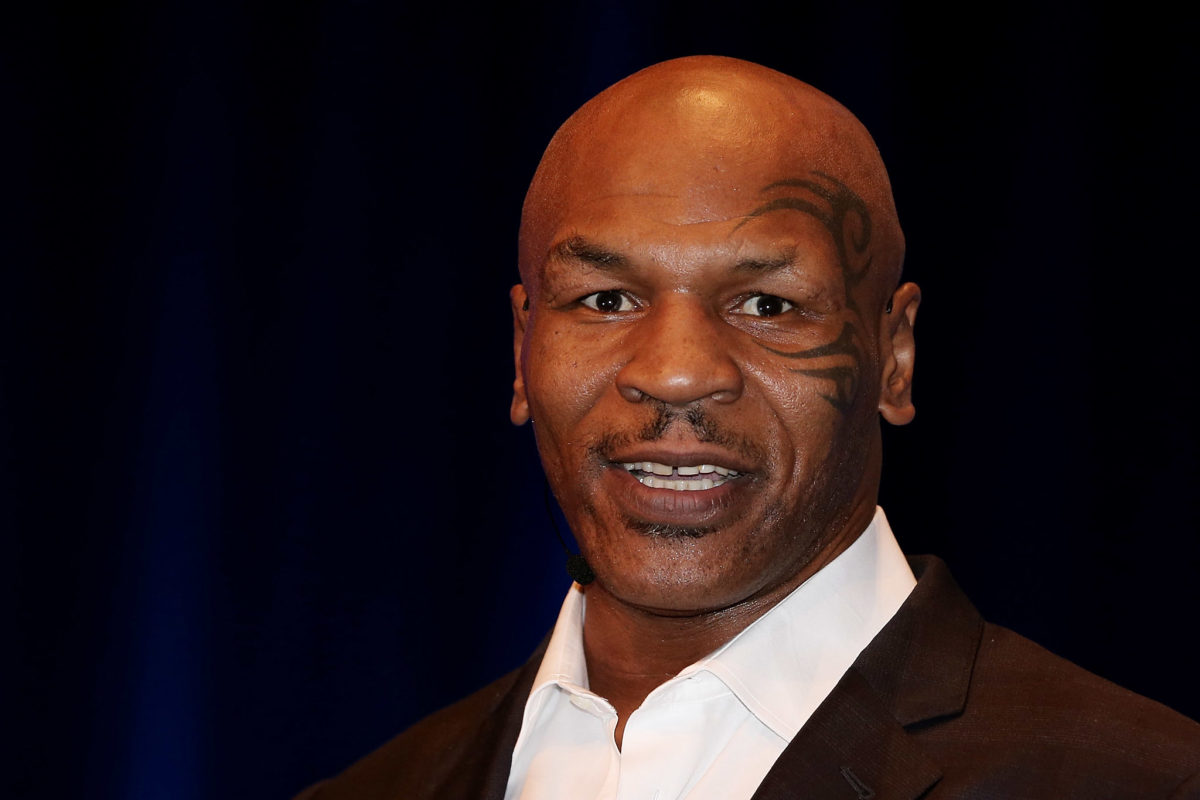
Look Mike Tyson Is Extremely Furious With Hulu The Spun What's

Mike Tyson reveals dramatic twoyear body transformation to

Mike Tyson Got Paid 30 Million for EarBiting Fight Against Evander

Mike Tyson Spent 4.5 Million on Cars and Bikes in Less Than 3 Years
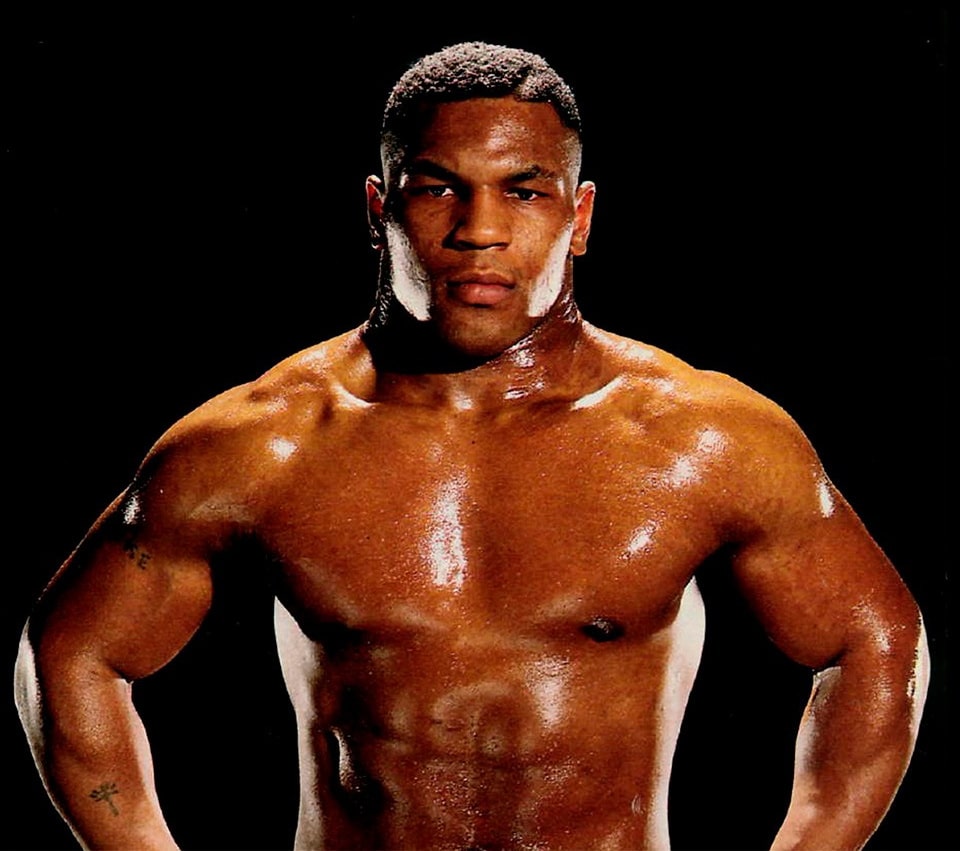
Mike Tyson Workout and Diet Plan Fitness Volt
ncG1vNJzZmibkaOupa3Nnq6sZpKhvKN6wqipnmannrulu9asZaedpGSwprfOcGamoZuaerXF0qilZpqRmLhutc2jrKuxXp3Brrg%3D