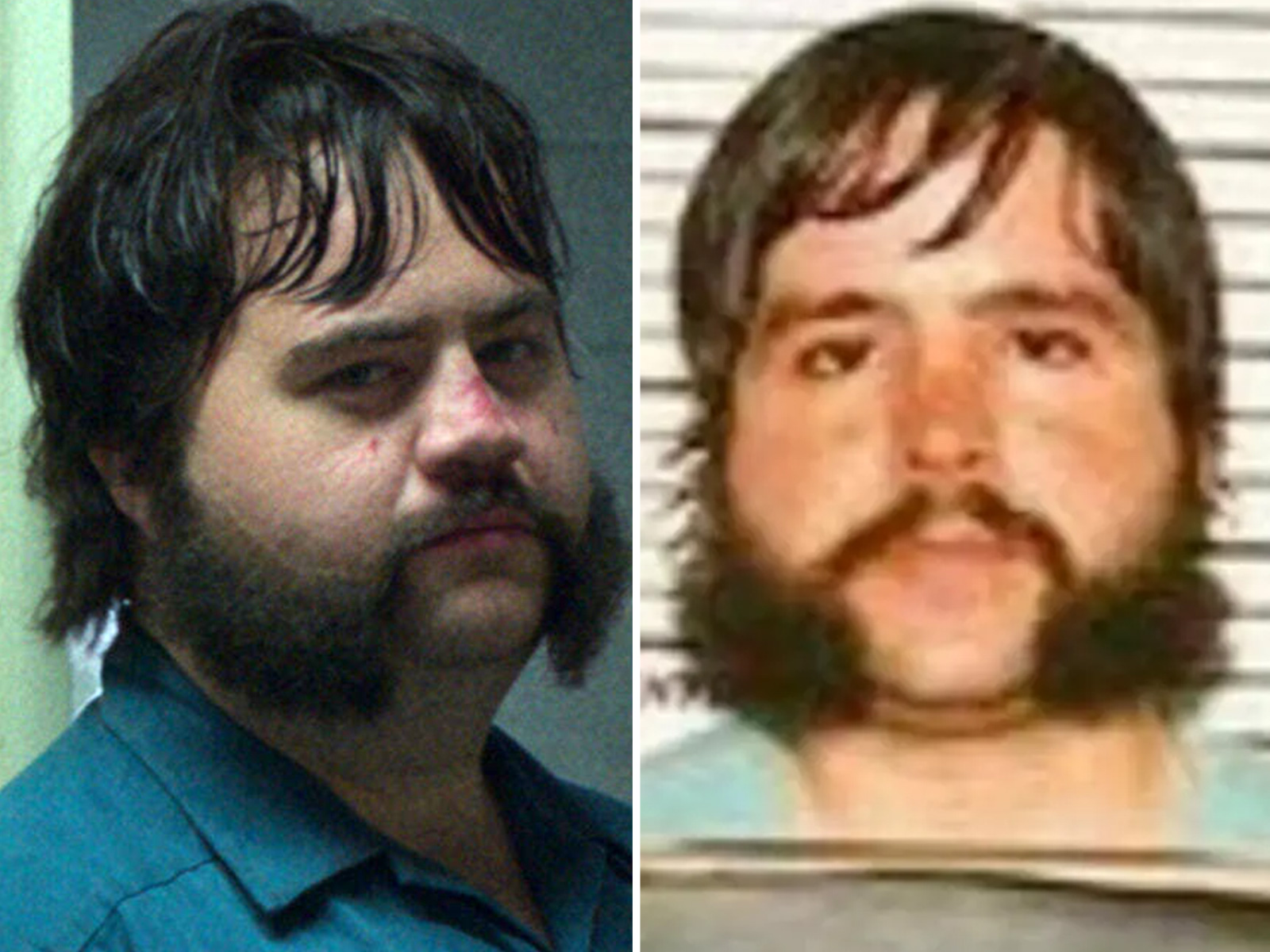
Larry Dewayne Hall is an American serial killer who was convicted of the murders of 14 women in Illinois and Indiana between 1972 and 1978.
Hall's crimes were particularly gruesome, as he often dismembered his victims and left their bodies in public places. He was eventually apprehended in 1978 after a high-speed chase with police. Hall was convicted of multiple counts of murder and sentenced to death, but his sentence was later commuted to life in prison.
Hall's case is a reminder of the dangers of serial killers and the importance of being aware of their potential warning signs. It is also a reminder of the importance of law enforcement cooperation and the need for strong penalties for violent crimes.
Larry Dewayne Hall
Larry Dewayne Hall is an American serial killer who was convicted of the murders of 14 women in Illinois and Indiana between 1972 and 1978. Hall's crimes were particularly gruesome, as he often dismembered his victims and left their bodies in public places.
- Modus operandi: Hall typically targeted young women who were hitchhiking or working as prostitutes. He would often strangle his victims and then dismember their bodies.
- Victims: Hall's victims were all women between the ages of 18 and 28. Most of his victims were white, but he also killed one black woman and one Hispanic woman.
- Apprehension: Hall was apprehended in 1978 after a high-speed chase with police. He was eventually convicted of multiple counts of murder and sentenced to death, but his sentence was later commuted to life in prison.
- Motive: Hall's motive for killing is unknown. Some experts believe that he was driven by a desire for power and control, while others believe that he was mentally ill.
- Impact: Hall's crimes had a profound impact on the communities where he operated. His victims were all young women who were simply trying to get home or earn a living. Hall's crimes also shattered the sense of security that many people felt in their own communities.
- Legacy: Hall's case is a reminder of the dangers of serial killers and the importance of being aware of their potential warning signs. It is also a reminder of the importance of law enforcement cooperation and the need for strong penalties for violent crimes.
Hall's crimes are a stark reminder of the darkness that can lurk within the human heart. His victims were innocent women who were simply trying to live their lives. Hall's actions have left a lasting scar on the communities where he operated, and his crimes will continue to be studied by criminologists and law enforcement officials for years to come.
| Name | Larry Dewayne Hall |
|---|---|
| Born | September 19, 1949 |
| Birthplace | Pekin, Illinois |
| Occupation | Factory worker |
| Convictions | 14 counts of murder |
| Sentence | Life in prison |
Modus operandi
Larry Dewayne Hall's modus operandi, or method of operation, was consistent throughout his killing spree. He typically targeted young women who were hitchhiking or working as prostitutes, making them vulnerable and less likely to be reported missing. He would often strangle his victims and then dismember their bodies, leaving them in public places.
- Targeting vulnerable victims: Hall's victims were often young women who were hitchhiking or working as prostitutes. These women were more likely to be alone and less likely to be reported missing, making them ideal targets for a serial killer.
- Strangulation: Hall typically strangled his victims, a method of killing that is relatively quick and quiet. This allowed him to kill his victims without attracting attention.
- Dismemberment: Hall often dismembered his victims' bodies after killing them. This was likely done to make it more difficult to identify the victims and to dispose of their bodies.
Hall's modus operandi is a chilling reminder of the dangers that serial killers pose to society. His crimes were particularly heinous, and his methods of killing were designed to inflict maximum terror and pain on his victims.
Victims
Larry Dewayne Hall's victims were all women between the ages of 18 and 28. Most of his victims were white, but he also killed one black woman and one Hispanic woman. This suggests that Hall was not motivated by racial hatred, but rather by a desire to kill young women.
The fact that Hall's victims were all women is also significant. This suggests that Hall may have been a misogynist, or someone who hates women. Misogyny is a serious problem that can lead to violence against women. It is important to be aware of the signs of misogyny and to speak out against it.
Hall's crimes are a reminder of the dangers that women face every day. Women are more likely to be victims of violent crime than men, and they are also more likely to be killed by their intimate partners. It is important to take steps to protect women from violence, and to create a society where women are safe and respected.
Apprehension
Larry Dewayne Hall's apprehension was a significant event in the history of serial killers. He was one of the first serial killers to be caught after a high-speed chase with police. His capture was a major victory for law enforcement and helped to bring closure to the families of his victims.
- The chase: Hall's apprehension began with a high-speed chase with police. Hall was driving a stolen car and refused to pull over. He led police on a chase that lasted for several miles before he was finally apprehended.
- The trial: Hall was convicted of multiple counts of murder and sentenced to death. However, his sentence was later commuted to life in prison.
- The impact: Hall's apprehension had a significant impact on the community. It brought closure to the families of his victims and helped to restore a sense of safety to the community.
Hall's apprehension is a reminder of the importance of law enforcement cooperation. It also shows that even the most dangerous criminals can be brought to justice.
Motive
The motive behind Larry Dewayne Hall's crimes is a matter of debate among experts. Some believe that he was driven by a desire for power and control, while others believe that he was mentally ill.
- Power and control: Hall's crimes were often characterized by a desire for power and control. He would often torture and humiliate his victims, and he would sometimes leave their bodies in public places to terrorize the community.
- Mental illness: Some experts believe that Hall was mentally ill, and that his crimes were a manifestation of his illness. He had a history of mental health problems, and he was reportedly taking medication for depression at the time of his arrest.
It is likely that Hall's motive for killing was a combination of both power and control and mental illness. He was a deeply disturbed individual who was capable of committing heinous crimes. His crimes are a reminder of the dangers that people with mental illness can pose to society.
Impact
Larry Dewayne Hall's crimes had a devastating impact on the communities where he operated. His victims were all young women who were simply trying to get home or earn a living. Hall's crimes shattered the sense of security that many people felt in their own communities.
The impact of Hall's crimes can be seen in the way that people in the communities where he operated changed their behavior. People were afraid to let their daughters go out alone, and women were afraid to walk by themselves at night. The sense of fear and insecurity that Hall's crimes created had a lasting impact on the community.
In addition to the immediate impact of his crimes, Hall's actions also had a long-term impact on the communities where he operated. The fear and insecurity that his crimes created made it difficult for people to move on with their lives. The communities where Hall operated are still struggling to recover from the trauma of his crimes.
The case of Larry Dewayne Hall is a reminder of the devastating impact that serial killers can have on communities. His crimes are a stark reminder of the importance of being aware of the dangers of serial killers and the importance of taking steps to protect ourselves from them.
Legacy
The case of Larry Dewayne Hall is a stark reminder of the dangers of serial killers. Hall's crimes were particularly heinous, and his case highlights the importance of being aware of the potential warning signs of serial killers. It is also a reminder of the importance of law enforcement cooperation and the need for strong penalties for violent crimes.
One of the most important things that we can do to protect ourselves from serial killers is to be aware of their potential warning signs. These signs can include a history of violence, a fascination with death, and a lack of empathy for others. If you know someone who exhibits these warning signs, it is important to report them to the police.
Law enforcement cooperation is also essential in the fight against serial killers. Serial killers often operate across multiple jurisdictions, and it is important for law enforcement agencies to work together to track them down and apprehend them. The case of Larry Dewayne Hall is a good example of how law enforcement cooperation can lead to the successful apprehension of a serial killer.
Finally, it is important to have strong penalties for violent crimes. This will help to deter potential serial killers from committing crimes and will also ensure that they are punished appropriately if they are caught.
The case of Larry Dewayne Hall is a reminder of the dangers of serial killers and the importance of being aware of their potential warning signs. It is also a reminder of the importance of law enforcement cooperation and the need for strong penalties for violent crimes.
Frequently Asked Questions about Larry Dewayne Hall
This section provides answers to frequently asked questions about Larry Dewayne Hall, offering factual information and addressing common misconceptions.
Question 1: Who is Larry Dewayne Hall?
Larry Dewayne Hall is a convicted American serial killer who committed multiple murders in the 1970s. He targeted young women and often dismembered their bodies, leaving them in public places.
Question 2: How many victims did Larry Dewayne Hall have?
Hall was convicted of murdering 14 women, although some sources suggest the number may be higher.
Question 3: What was Larry Dewayne Hall's motive for killing?
Hall's motive remains unclear, with experts speculating about a desire for power, control, or mental illness.
Question 4: How was Larry Dewayne Hall apprehended?
Hall was apprehended in 1978 after a high-speed chase with police following a traffic violation.
Question 5: What sentence did Larry Dewayne Hall receive?
Hall was sentenced to death, which was later commuted to life in prison.
Question 6: Where is Larry Dewayne Hall currently incarcerated?
Hall is currently serving his sentence at the Menard Correctional Center in Illinois.
In conclusion, Larry Dewayne Hall's case highlights the dangers posed by serial killers and the importance of understanding their motivations and patterns.
Transition to the next article section: Understanding the Psychology of Serial Killers
Tips to Enhance Safety and Protect Against Serial Killers
Understanding the behaviors and patterns of serial killers can empower individuals to take proactive steps to enhance their safety and reduce the risk of victimization.
Tip 1: Be Aware of Your Surroundings
Pay attention to your environment and trust your instincts. If a situation or person makes you feel uncomfortable, remove yourself from it.
Tip 2: Trust Your Intuition
If you have a gut feeling about someone or a situation, listen to it. Intuition can be a powerful tool in detecting potential threats.
Tip 3: Stay in Well-Lit and Populated Areas
Avoid isolated or poorly lit places, especially at night. Predators often seek out victims in secluded areas.
Tip 4: Inform Others of Your Plans
Let friends or family know your whereabouts, especially if you are going somewhere unfamiliar or meeting someone you don't know well.
Tip 5: Be Cautious of Strangers
Avoid giving personal information or accepting rides from strangers. Stay alert and maintain a safe distance.
Tip 6: Take Self-Defense Classes
Empower yourself with self-defense techniques. Knowledge of basic self-defense moves can deter potential attackers and provide you with confidence.
Summary:
By adopting these tips and staying informed about the behaviors of serial killers, individuals can take proactive steps to enhance their safety and reduce the risk of victimization. Remember, personal safety is a shared responsibility, and by working together, we can create safer communities for everyone.
Transition to the article's conclusion: Understanding the Psychology of Serial Killers
Conclusion
Larry Dewayne Hall's case serves as a chilling reminder of the depravity and danger that can lurk within the human psyche. His heinous crimes highlight the importance of understanding the motivations and patterns of serial killers to prevent future tragedies.
As we delve deeper into the psychology of serial killers, we must remain vigilant in our efforts to protect society from such individuals. By raising awareness, educating ourselves, and working together, we can create safer communities and prevent further victims from falling prey to these predators.
Unlock The Artistic Enigma: Discoveries And Insights Into Lynne Opelka's World
Uncovering The World Of Nicole Briscoe: A Sports Broadcasting Journey
Unveiling Grant Hill's Net Worth: Insights And Surprises Revealed
'Black Bird' What Happened to Larry Hall and Where Is He Now?
Did Larry Hall Dream About Killing Women? Did He Rape His Victims?
The 1992 disappearance of Laurie Depies baffles police 30 years later
ncG1vNJzZmijkZ7HpnrBpaabZpOkv6Z61qKlnaenqHuvsdNoqq6bmWS5or7RsmSdnaeWxq%2BxjKGYpaRencGuuA%3D%3D