shein ethical issues refers to the ethical concerns surrounding the fast fashion retailer Shein, including allegations of labor exploitation, environmental pollution, and intellectual property theft.
shein ethical issues have gained significant attention in recent years as the company has grown rapidly to become one of the world's largest online retailers. Critics have accused Shein of using sweatshops and paying its workers poverty wages, as well as failing to take adequate measures to protect the environment. Additionally, Shein has been accused of stealing designs from independent artists and small businesses.
The company has denied these allegations, but the controversy has led to calls for greater transparency and accountability in the fashion industry. Some consumers have boycotted Shein in protest of its ethical practices, while others have called for the company to be investigated by government authorities.
shein ethical issues
shein ethical issues encompass a wide range of concerns, including labor exploitation, environmental pollution, and intellectual property theft. These issues have come under increasing scrutiny as the company has grown rapidly to become one of the world's largest online retailers.
- Labor exploitation: Shein has been accused of using sweatshops and paying its workers poverty wages.
- Environmental pollution: The company's production processes have been linked to water and air pollution.
- Intellectual property theft: Shein has been accused of stealing designs from independent artists and small businesses.
- Greenwashing: Shein has been accused of making false or misleading claims about its environmental practices.
- Lack of transparency: Shein has been criticized for its lack of transparency about its supply chain and production practices.
- Consumerism: Shein's business model encourages overconsumption and waste.
- Fast fashion: Shein's fast fashion practices contribute to the environmental and social problems associated with the industry.
- Labor rights: Shein's labor practices violate the rights of its workers.
These key aspects of shein ethical issues are interconnected and contribute to the overall problem of unethical practices in the fashion industry. Consumers, activists, and policymakers are increasingly calling for greater transparency and accountability from Shein and other fast fashion companies.
Labor exploitation
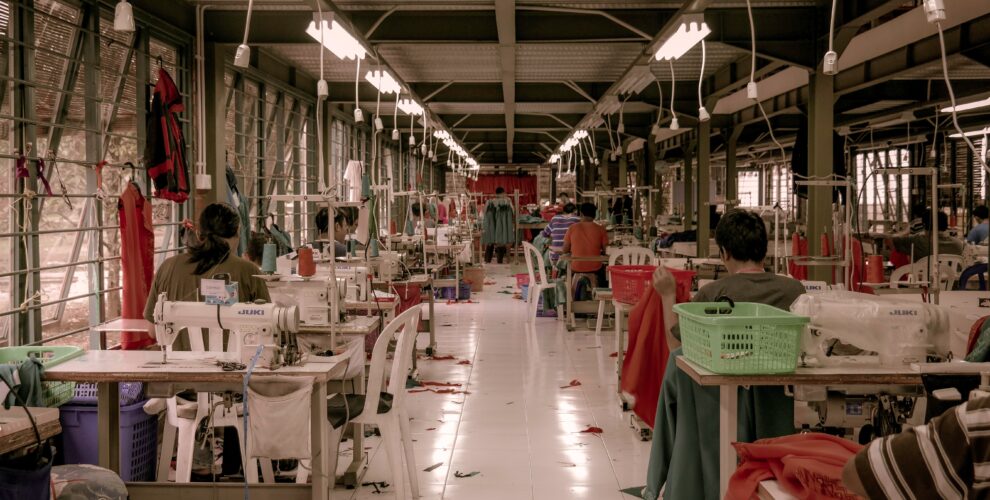
The issue of labor exploitation is a key component of shein ethical issues. Fast fashion companies like Shein have been accused of using sweatshops and paying their workers poverty wages. This is a serious violation of human rights and labor laws. Workers in these factories often work long hours in unsafe conditions for little pay. They may also be subjected to verbal and physical abuse.
The use of sweatshops and poverty wages has a number of negative consequences. For the workers, it can lead to poverty, malnutrition, and health problems. It can also contribute to social unrest and political instability. For consumers, it can lead to lower-quality products and higher prices. And for the environment, it can lead to pollution and other environmental problems.
It is important to understand the connection between labor exploitation and shein ethical issues because it highlights the human cost of fast fashion. When we buy clothes from Shein, we are not just buying a product. We are also supporting a system that exploits workers and violates their human rights.
Environmental pollution
The issue of environmental pollution is a key component of shein ethical issues. Fast fashion companies like Shein have been accused of using production processes that pollute the environment. This can include water pollution, air pollution, and soil pollution.
The environmental impact of fast fashion is significant. The textile industry is one of the largest polluters of water in the world. It also produces a significant amount of greenhouse gases, which contribute to climate change. Fast fashion companies like Shein often use cheap materials and dyes that can be harmful to the environment.
The environmental pollution caused by Shein's production processes has a number of negative consequences. It can damage ecosystems, harm wildlife, and contribute to climate change. It can also lead to health problems for people who live near factories or who work in the textile industry.
It is important to understand the connection between environmental pollution and shein ethical issues because it highlights the environmental cost of fast fashion. When we buy clothes from Shein, we are not just buying a product. We are also supporting a system that pollutes the environment and contributes to climate change.
Intellectual property theft
Intellectual property theft is a serious issue that can have a devastating impact on independent artists and small businesses. Shein has been accused of stealing designs from a number of independent artists and small businesses, which has led to widespread criticism and calls for the company to be held accountable.
- Impact on independent artists and small businesses: When Shein steals designs from independent artists and small businesses, it deprives them of the rightful profits from their work. This can make it difficult for these businesses to survive and thrive, and it can discourage them from creating new and innovative designs.
- Undermines creativity and originality: When Shein steals designs from independent artists and small businesses, it undermines creativity and originality in the fashion industry. This can lead to a homogenized and uninspired fashion landscape, where all clothes look the same.
- Damages the reputation of the fashion industry: Shein's alleged intellectual property theft damages the reputation of the fashion industry as a whole. It makes it difficult for consumers to trust that the clothes they are buying are original and unique.
It is important to understand the connection between intellectual property theft and shein ethical issues because it highlights the importance of protecting the rights of artists and designers. When we buy clothes from Shein, we should be aware of the possibility that the designs may have been stolen. We should also support independent artists and small businesses by buying their products instead.
Greenwashing
Greenwashing is a marketing tactic used by companies to make their products appear more environmentally friendly than they actually are. Shein has been accused of greenwashing by making false or misleading claims about its environmental practices. For example, Shein has claimed that its clothes are made from recycled materials, when in fact they are made from virgin materials. Shein has also claimed that its production processes are sustainable, when in fact they have been linked to water and air pollution.
Greenwashing is a serious issue because it misleads consumers about the environmental impact of products. This can lead consumers to make purchasing decisions that are not in line with their values. In the case of Shein, greenwashing can lead consumers to believe that they are buying clothes that are environmentally friendly, when in fact they are not.
It is important to understand the connection between greenwashing and shein ethical issues because it highlights the importance of transparency and accountability in the fashion industry. Consumers should be able to trust that the claims that companies make about their environmental practices are accurate. Greenwashing undermines this trust and makes it difficult for consumers to make informed purchasing decisions.
Lack of transparency
The issue of lack of transparency is a key component of shein ethical issues. Fast fashion companies like Shein have been criticized for their lack of transparency about their supply chains and production practices. This lack of transparency makes it difficult for consumers to know where their clothes are coming from and how they are being made.
- Impact on consumers: When Shein is not transparent about its supply chain and production practices, it makes it difficult for consumers to make informed purchasing decisions. Consumers may not be aware of the ethical or environmental concerns associated with the production of their clothes.
- Impact on workers: When Shein is not transparent about its supply chain and production practices, it can make it easier for the company to exploit its workers. Workers may not be aware of their rights or the health and safety risks associated with their work.
- Impact on the environment: When Shein is not transparent about its supply chain and production practices, it can make it difficult to assess the environmental impact of its products. Consumers may not be aware of the pollution or other environmental problems associated with the production of their clothes.
It is important to understand the connection between lack of transparency and shein ethical issues because it highlights the importance of transparency and accountability in the fashion industry. Consumers should be able to know where their clothes are coming from and how they are being made. Shein's lack of transparency makes it difficult for consumers to make informed purchasing decisions and hold the company accountable for its ethical and environmental practices.
Consumerism
The fast fashion business model, as exemplified by Shein, promotes excessive consumption and waste, exacerbating the ethical issues surrounding the industry. To maintain low prices and cater to rapidly changing trends, Shein produces vast quantities of clothing, leading to environmental degradation and contributing to unsustainable consumption patterns.
- Environmental impact: Overproduction and excessive consumption deplete natural resources, strain ecosystems, and contribute to pollution. The textile industry is a significant polluter of water, air, and soil, and Shein's practices exacerbate these environmental concerns.
- Disposable fashion: Shein's low prices and constant introduction of new styles encourage consumers to view clothing as disposable, leading to increased waste. The "buy now, wear once" mentality fuels landfills and contributes to the environmental burden.
- Labor exploitation: The high demand for cheap clothing often leads to labor exploitation in the supply chain. Workers in factories producing Shein's clothing may face poor working conditions, low wages, and limited labor rights.
- Ethical consumption: Shein's business model undermines ethical consumption practices. Consumers may be unaware of the environmental and social costs associated with their purchases, leading to a lack of accountability and perpetuation of unsustainable practices.
Addressing consumerism and promoting sustainable consumption habits are crucial to mitigating the ethical issues associated with Shein and the fast fashion industry. Encouraging mindful consumption, supporting sustainable brands, and advocating for transparency and accountability can help reduce overconsumption, waste, and the negative impacts on the environment and workers.
Fast fashion
The fast fashion practices employed by Shein, characterized by rapid production and low prices, exacerbate the ethical issues plaguing the fashion industry. These practices contribute significantly to environmental degradation and social injustices, underscoring their importance as a component of "shein ethical issues."Understanding this connection is crucial as it sheds light on the negative impacts of fast fashion and the role of Shein's practices in perpetuating these issues. By examining the environmental and social consequences, we can better comprehend the ethical concerns surrounding the industry and drive positive change.
The environmental problems associated with Shein's fast fashion practices are undeniable. The industry's reliance on synthetic materials, excessive production, and transportation contribute to greenhouse gas emissions, water pollution, and waste generation. The fast-paced nature of fast fashion encourages overconsumption and the disposal of clothing, leading to overflowing landfills and environmental degradation.
Moreover, the social impacts of Shein's fast fashion practices are equally concerning. Workers in the supply chain often face poor working conditions, low wages, and limited labor protections. Fast fashion's emphasis on low production costs can incentivize unethical practices, including the exploitation of vulnerable workers and the violation of labor rights.
Addressing the ethical issues of fast fashion requires a comprehensive approach that tackles the environmental and social challenges posed by Shein's practices. Promoting sustainable production methods, demanding transparency in supply chains, and empowering workers are essential steps toward a more ethical and sustainable fashion industry.
In conclusion, understanding the connection between fast fashion and shein ethical issues is paramount to addressing the environmental and social problems associated with the industry. By recognizing the impact of Shein's practices and demanding accountability, we can create a more sustainable and equitable fashion landscape.
Labor rights
The connection between "Labor rights: Shein's labor practices violate the rights of its workers" and "shein ethical issues" lies in the fundamental importance of labor rights as a pillar of ethical business practices. Shein's labor practices have come under intense scrutiny for violating the basic rights of its workers, making this a crucial component of shein ethical issues.
Shein's labor rights violations have been widely documented, with reports of poor working conditions, low wages, and excessive overtime in its factories. These practices not only exploit vulnerable workers but also undermine the principles of fair and ethical labor. By disregarding labor rights, Shein contributes to the systemic issues of labor exploitation and poverty wages in the fashion industry.
Understanding this connection is crucial for several reasons. Firstly, it highlights the human cost of unethical labor practices and the importance of protecting workers' rights. Secondly, it demonstrates the need for transparency and accountability in supply chains to ensure that companies are held responsible for their labor practices. Lastly, it emphasizes the role of consumers in driving change by supporting brands that prioritize ethical and sustainable practices.
FAQs on Shein Ethical Issues
The topic of "shein ethical issues" encompasses various concerns and controversies surrounding the company's labor practices, environmental impact, and business model. To provide a comprehensive understanding, we address some frequently asked questions below:
Question 1: What are the key ethical issues associated with Shein?Shein has faced criticism for alleged labor violations, including low wages, excessive overtime, and poor working conditions in its factories. Additionally, concerns have been raised about the company's environmental practices, such as water pollution and waste generation.
Question 2: How does Shein's business model contribute to ethical issues?Shein's fast fashion model, characterized by rapid production and low prices, incentivizes unethical practices in the supply chain. The pressure to meet high demand can lead to labor exploitation, environmental degradation, and the promotion of unsustainable consumption patterns.
Question 3: What are the allegations of labor violations against Shein?Shein has been accused of violating labor rights in its factories, including paying below minimum wage, forcing workers to work excessive overtime, and providing unsafe working conditions. These practices have raised concerns about the exploitation of vulnerable workers.
Question 4: How is Shein addressing the ethical concerns raised against it?In response to criticism, Shein has taken some steps to address ethical concerns, such as joining the Fair Labor Association and implementing a code of conduct for its suppliers. However, critics argue that these measures are insufficient and that more needs to be done to ensure the well-being of workers and the environment.
Question 5: What can consumers do to promote ethical practices in the fashion industry?Consumers can play a crucial role in driving ethical change by supporting brands that prioritize sustainability, fair labor practices, and transparency in their supply chains. By making informed choices and demanding accountability from companies, consumers can contribute to a more ethical and sustainable fashion industry.
Question 6: What are the ongoing challenges and controversies surrounding Shein's ethical practices?Despite efforts to address ethical concerns, Shein continues to face scrutiny and controversy. Critics argue that the company's business model remains unsustainable and that more robust measures are needed to ensure the protection of workers' rights and the environment.
Understanding these ethical issues and the ongoing debate surrounding Shein is essential for consumers to make informed choices and advocate for a more sustainable and ethical fashion industry.
Next Section: Key Takeaways and Implications
Tips on Addressing Shein Ethical Issues
Addressing the ethical concerns surrounding Shein requires a multifaceted approach. Here are a few tips to promote ethical practices in the fashion industry:
Tip 1: Educate Yourself: Learn about the ethical issues associated with fast fashion and the specific concerns raised against Shein. Understanding the root causes and impacts of these issues is essential for informed decision-making.Tip 2: Support Ethical Brands: Choose to support brands that prioritize ethical practices throughout their supply chains. Look for certifications and initiatives that demonstrate a commitment to fair labor, environmental sustainability, and transparency.Tip 3: Reduce Consumption: Practice mindful consumption by buying less and choosing quality over quantity. This reduces the demand for fast fashion and its associated ethical concerns.Tip 4: Repair and Reuse: Extend the lifespan of your clothing by repairing and reusing items instead of discarding them. This promotes sustainability and reduces waste.Tip 5: Advocate for Change: Share your concerns about Shein's ethical practices on social media, contact the company directly, and support organizations working to promote ethical and sustainable fashion.Tip 6: Encourage Transparency: Request that Shein and other fashion brands provide greater transparency about their supply chains and labor practices. Transparency is crucial for holding companies accountable and driving positive change.Tip 7: Choose Sustainable Materials: Opt for clothing made from sustainable materials, such as organic cotton, recycled fabrics, and bamboo. These materials have a lower environmental impact and support ethical farming practices.Tip 8: Promote Fair Labor: Advocate for fair wages, safe working conditions, and reasonable working hours for garment workers. Support initiatives that empower workers and protect their rights.Conclusion
The examination of "shein ethical issues" has unveiled a multifaceted array of concerns encompassing labor exploitation, environmental pollution, intellectual property theft, greenwashing, lack of transparency, consumerism, fast fashion practices, and violations of labor rights. These issues underscore the urgent need for ethical practices and sustainable solutions within the fashion industry.
Addressing shein ethical issues requires a collective effort involving consumers, brands, and policymakers. By demanding transparency, supporting ethical brands, promoting sustainable consumption, and advocating for fair labor practices, we can create a more just and sustainable fashion landscape. It is imperative that we continue to raise awareness, hold companies accountable, and work towards systemic change to ensure the well-being of workers, the environment, and future generations.
Discoveries And Insights: Unraveling The Mystery Of Dog Seizures While Sleeping
Unveiling David Pakman's Net Worth: Surprising Insights Revealed
Uncover The Ultimate Gaming Haven: Skip The Games Longview Texas

ncG1vNJzZmiqkaO0qLGNm6Ooml6YvLOxjbCgp5yfrMBvusStZqahl6eucL%2FHnqCnZZWptaqvwKVkoqujqrK0esetpKU%3D