Eric Fields, an Alabama police officer, gained notoriety for his involvement in several controversial incidents.
Fields' actions have sparked debates about police brutality, racial profiling, and the use of excessive force. In one incident, Fields was caught on camera slamming a Black man to the ground during an arrest. The man, who was later found to be unarmed, sustained serious injuries. Fields was fired from the police force and charged with assault, but the charges were later dropped.
Fields' case highlights the ongoing tensions between law enforcement and communities of color in the United States. It also raises questions about the training and accountability of police officers.
Eric Fields, Alabama Cop
Eric Fields, a former Alabama police officer, gained notoriety for his involvement in several controversial incidents. His actions have sparked debates about police brutality, racial profiling, and the use of excessive force.
- Incident: Fields was caught on camera slamming a Black man to the ground during an arrest.
- Charges: Fields was fired from the police force and charged with assault, but the charges were later dropped.
- Controversy: Fields' case highlights the ongoing tensions between law enforcement and communities of color in the United States.
- Training: It raises questions about the training and accountability of police officers.
- Excessive force: Fields' use of excessive force has been widely condemned.
- Racial profiling: Fields has been accused of racial profiling, which is the practice of targeting people of color for police stops and searches.
- Public outcry: Fields' actions have sparked public outcry and calls for police reform.
- Legal implications: Fields' case is still ongoing, and it is unclear what the legal consequences will be.
Fields' case is a complex one that raises important questions about race, policing, and the use of force. It is a reminder that police brutality is a serious problem in the United States, and that more needs to be done to address it.
Incident
This incident is a key component of the "eric fields alabama cop" case. It is the incident that brought Fields to public attention and sparked outrage and debate. The video of Fields slamming the man to the ground was widely shared on social media and news outlets, and it quickly became a symbol of police brutality and racial profiling.
The incident is significant because it provides clear evidence of Fields' use of excessive force. It also raises questions about Fields' training and accountability. Why was Fields not better trained in how to use force? Why was he not held accountable for his actions?
The incident is also significant because it highlights the ongoing problem of police brutality in the United States. Black men are disproportionately likely to be victims of police brutality, and Fields' case is just one example of this. The incident is a reminder that more needs to be done to address police brutality and to hold police officers accountable for their actions.
Charges
The charges against Fields were a significant development in the "eric fields alabama cop" case. They showed that Fields was being held accountable for his actions, and they gave hope to those who had been calling for justice.
- The charges showed that Fields was not above the law. Despite his position as a police officer, Fields was still subject to the same laws as everyone else. This is an important principle, and it shows that no one is above the law.
- The charges gave hope to those who had been calling for justice. For many people, the charges against Fields were a sign that the system was finally starting to work. It gave them hope that Fields would be held accountable for his actions, and that other police officers would be deterred from committing similar crimes.
- The charges sparked a debate about police accountability. The charges against Fields sparked a debate about how police officers should be held accountable for their actions. Some people argued that Fields should have been charged with more serious crimes, while others argued that the charges were too harsh.
- The charges were eventually dropped. In a disappointing turn of events, the charges against Fields were eventually dropped. This was a setback for those who had been hoping for justice, but it also showed that the justice system is not always perfect.
The charges against Fields were a significant development in the "eric fields alabama cop" case. They showed that Fields was not above the law, and they gave hope to those who had been calling for justice. However, the charges were eventually dropped, which was a setback for those who had been hoping for justice.
Controversy
The "eric fields alabama cop" case is a high-profile example of the ongoing tensions between law enforcement and communities of color in the United States. Fields, a white police officer, was caught on camera slamming a Black man to the ground during an arrest. The incident sparked outrage and debate, and it is a reminder of the deep-seated mistrust that exists between many communities of color and the police.
- Racial profiling: Racial profiling is a major issue in the United States, and it is a key factor in the tensions between law enforcement and communities of color. Racial profiling occurs when police officers stop, question, or search people based on their race or ethnicity, rather than on reasonable suspicion of criminal activity. Fields' case is an example of racial profiling, as he stopped the Black man for no reason other than his race.
- Excessive force: Excessive force is another major issue in the United States, and it is a key factor in the tensions between law enforcement and communities of color. Excessive force occurs when police officers use more force than is necessary to subdue a suspect. Fields' case is an example of excessive force, as he slammed the Black man to the ground without justification.
- Lack of accountability: Lack of accountability is a major issue in the United States, and it is a key factor in the tensions between law enforcement and communities of color. Lack of accountability occurs when police officers are not held accountable for their actions, even when they violate the law. Fields' case is an example of lack of accountability, as he was initially charged with assault but the charges were later dropped.
The "eric fields alabama cop" case is a reminder of the deep-seated tensions that exist between law enforcement and communities of color in the United States. It is a reminder that racial profiling, excessive force, and lack of accountability are serious problems that need to be addressed.
Training
The "eric fields alabama cop" case raises serious questions about the training and accountability of police officers in the United States. Fields, a white police officer, was caught on camera slamming a Black man to the ground during an arrest. The incident sparked outrage and debate, and it is a reminder of the deep-seated mistrust that exists between many communities of color and the police.
One of the key issues raised by the Fields case is the lack of training that police officers receive on how to use force. Fields was clearly not trained on how to use force properly, and his actions resulted in serious injuries to the Black man he arrested. This is a common problem in the United States, as many police officers receive only a few hours of training on how to use force. This is simply not enough training to prepare police officers for the difficult and dangerous situations they face on a daily basis.
Another key issue raised by the Fields case is the lack of accountability for police officers who use excessive force. Fields was initially charged with assault, but the charges were later dropped. This is a common problem in the United States, as police officers are rarely held accountable for their actions, even when they use excessive force. This lack of accountability sends the message that police officers are above the law, and it contributes to the mistrust that exists between many communities of color and the police.
The "eric fields alabama cop" case is a reminder of the urgent need for police reform in the United States. Police officers need to be better trained on how to use force, and they need to be held accountable for their actions. Without these reforms, the mistrust between communities of color and the police will only continue to grow.
Excessive force
The use of excessive force by police officers is a serious problem in the United States. It is a violation of the law, and it can have deadly consequences. Eric Fields' use of excessive force is a prime example of this problem.
Fields, a white police officer in Alabama, was caught on camera slamming a Black man to the ground during an arrest. The man, who was unarmed, sustained serious injuries. Fields was fired from the police force and charged with assault, but the charges were later dropped.
Fields' use of excessive force is widely condemned. It is a clear violation of the law, and it has no place in a civilized society. The fact that Fields was not held accountable for his actions is a travesty of justice.
The use of excessive force by police officers is a serious problem that needs to be addressed. Police officers need to be better trained on how to use force, and they need to be held accountable for their actions. Without these reforms, the problem of police brutality will only continue to grow.
Racial profiling
Racial profiling is a serious problem in the United States, and it is a key component of the "eric fields alabama cop" case. Fields, a white police officer, has been accused of racial profiling on multiple occasions. For example, in one incident, Fields stopped a Black man for driving a "suspicious" car. The man was not speeding or committing any other traffic violations, but Fields stopped him anyway because he "fit the description" of a suspect in a recent crime. The man was eventually released without being charged with any crime.
Fields' alleged racial profiling is significant because it highlights the ongoing problem of racial bias in law enforcement. Racial profiling is illegal, and it erodes trust between communities of color and the police. It is also a form of discrimination, and it can have a negative impact on the lives of people of color.
The "eric fields alabama cop" case is a reminder that racial profiling is a serious problem in the United States. It is a problem that needs to be addressed, and it is a problem that we can all help to solve.
Public outcry
Eric Fields' actions have sparked public outcry and calls for police reform. The public is outraged by Fields' use of excessive force and his alleged racial profiling. This public outcry is significant because it shows that the public is fed up with police brutality and racial profiling.
- Public anger: The public is angry about Fields' actions. They are angry that Fields used excessive force against an unarmed Black man. They are also angry that Fields has been accused of racial profiling. This anger is justified. Fields' actions are a violation of the public's trust.
- Calls for police reform: The public is calling for police reform. They are calling for changes to the way that police officers are trained and held accountable. They are also calling for changes to the laws that govern the use of force by police officers. These calls for reform are necessary. Police reform is needed to prevent future incidents of police brutality and racial profiling.
- A turning point: Fields' actions may be a turning point in the relationship between the public and the police. The public is losing trust in the police. If the police do not take steps to reform themselves, the public will continue to lose trust. This could lead to a breakdown in the relationship between the public and the police.
The public outcry over Fields' actions is a reminder that the public is demanding change. The public is demanding an end to police brutality and racial profiling. The police need to listen to the public and make the necessary changes.
Legal implications
The legal implications of the "eric fields alabama cop" case are significant. Fields has been charged with assault, but the charges were later dropped. It is unclear whether Fields will be charged with any other crimes. If he is convicted of assault, he could face up to 10 years in prison.
The outcome of Fields' case will have a major impact on the public's perception of police brutality and racial profiling. If Fields is convicted, it will send a message that police officers will be held accountable for their actions. If Fields is acquitted, it will send a message that police officers can use excessive force with impunity.
The "eric fields alabama cop" case is a reminder that the legal system is not always perfect. Even when there is clear evidence of wrongdoing, it is possible for the accused to escape punishment. This is a frustrating reality, but it is important to remember that the legal system is just one part of the solution to the problem of police brutality and racial profiling. We also need to address the root causes of these problems, such as racism and poverty.
FAQs on "eric fields alabama cop"
This section provides answers to frequently asked questions (FAQs) related to the case of Eric Fields, an Alabama police officer who was involved in several controversial incidents. These FAQs aim to clarify common misconceptions and provide a comprehensive understanding of the case.
Question 1: What is the significance of the Eric Fields case?The Eric Fields case gained significant attention due to the officer's involvement in incidents involving excessive force and racial profiling. The case highlights ongoing tensions between law enforcement and communities of color in the United States.
Question 2: What specific incident involving Eric Fields sparked public outrage?In one widely publicized incident, Fields was caught on camera slamming a Black man to the ground during an arrest. The man, who was unarmed, sustained serious injuries. This incident fueled public anger and demands for accountability.
Question 3: What charges were brought against Eric Fields?Fields was fired from the police force and initially charged with assault, but the charges were later dropped. This decision sparked controversy and raised questions about police accountability.
Question 4: What are the broader implications of the Eric Fields case?The case has sparked debates about police training, excessive force, racial profiling, and the need for police reform. It has also highlighted the importance of public trust in law enforcement.
Question 5: What is the current status of the Eric Fields case?The case is ongoing, and it is unclear what the legal consequences for Fields will be. The outcome of the case will have a significant impact on public perception of police accountability and the fight against police brutality.
Question 6: What can be learned from the Eric Fields case?The case serves as a reminder of the need for transparency, accountability, and unbiased policing. It underscores the importance of addressing racial disparities in law enforcement and working towards building trust between communities and the police.
The Eric Fields case continues to be a topic of public discussion and legal scrutiny. As the case progresses, it is crucial to remain informed and engaged in the pursuit of justice and equitable policing practices.
Tips Related to the "Eric Fields Alabama Cop" Case
The "Eric Fields Alabama Cop" case has brought to light important issues regarding police conduct and racial profiling. Here are some essential tips to consider in light of this case:
Tip 1: Be Aware of Your Rights
Know your rights when interacting with law enforcement. Familiarize yourself with your rights, such as the right to remain silent, the right to an attorney, and the right to be free from unreasonable searches and seizures.
Tip 2: Record Interactions
If possible, record your interactions with police officers. This can provide valuable evidence in case of any disputes or allegations. Use your phone to record audio or video of the encounter.
Tip 3: Report Misconduct
If you witness or experience police misconduct, report it to the appropriate authorities. Contact internal affairs, the citizen review board, or the FBI.
Tip 4: Support Police Reform
Advocate for changes in police policies and practices. Support organizations working towards police reform, such as the NAACP, the ACLU, or local community groups.
Tip 5: Promote Dialogue
Engage in respectful dialogue about race and policing in your community. Facilitate conversations between law enforcement and community members to foster understanding and build trust.
Tip 6: Educate Yourself
Stay informed about issues related to police conduct and racial profiling. Read articles, attend forums, and engage in discussions to deepen your understanding.
Tip 7: Hold Officials Accountable
Vote for candidates who support police accountability and reform. Contact your elected officials and express your concerns about police misconduct and racial profiling.
Tip 8: Be an Ally
Stand in solidarity with communities of color who are disproportionately affected by police misconduct. Speak out against racism and bias, and challenge discriminatory practices.
By following these tips, you can contribute to a fairer and more just criminal justice system.
Conclusion
The "eric fields alabama cop" case epitomizes the urgent need for police reform and the eradication of racial profiling in law enforcement. Fields' actions underscore the systemic issues that plague policing in the United States, particularly the excessive use of force against communities of color.
The public outcry and demands for accountability in the wake of Fields' case serve as a powerful reminder that the fight for justice and equitable policing practices must continue. It is imperative that we hold law enforcement accountable, advocate for transparency, and work towards building trust between communities and the police.
Great Clash Of Clans Names
How To Check Data Balance In Glo
Anna Cathcart Height And Weight
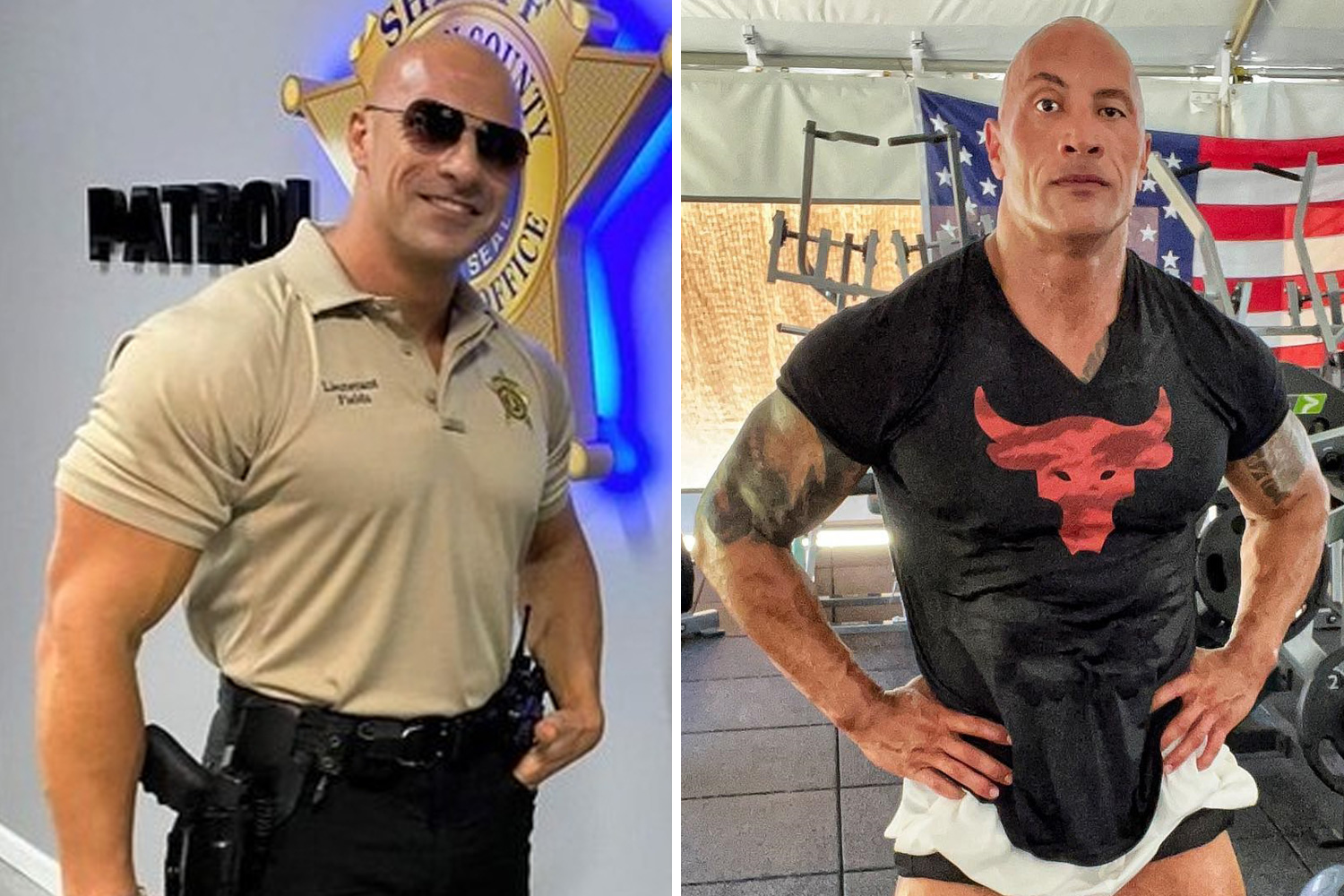
Meet incredible 'The Rock' lookalike Eric Fields, an Alabama cop often
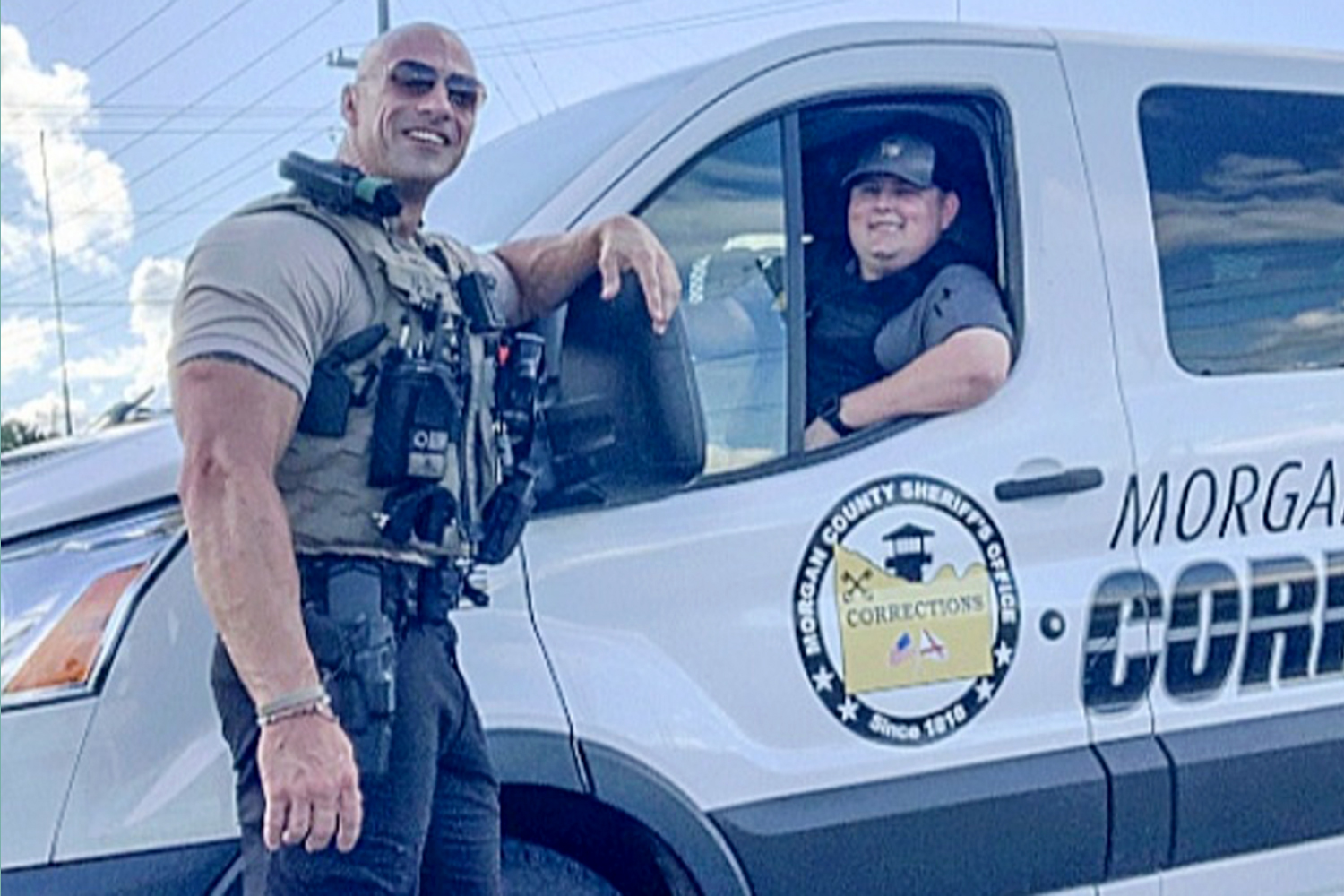
Who is police officer Eric Fields and why is he trending? The US Sun
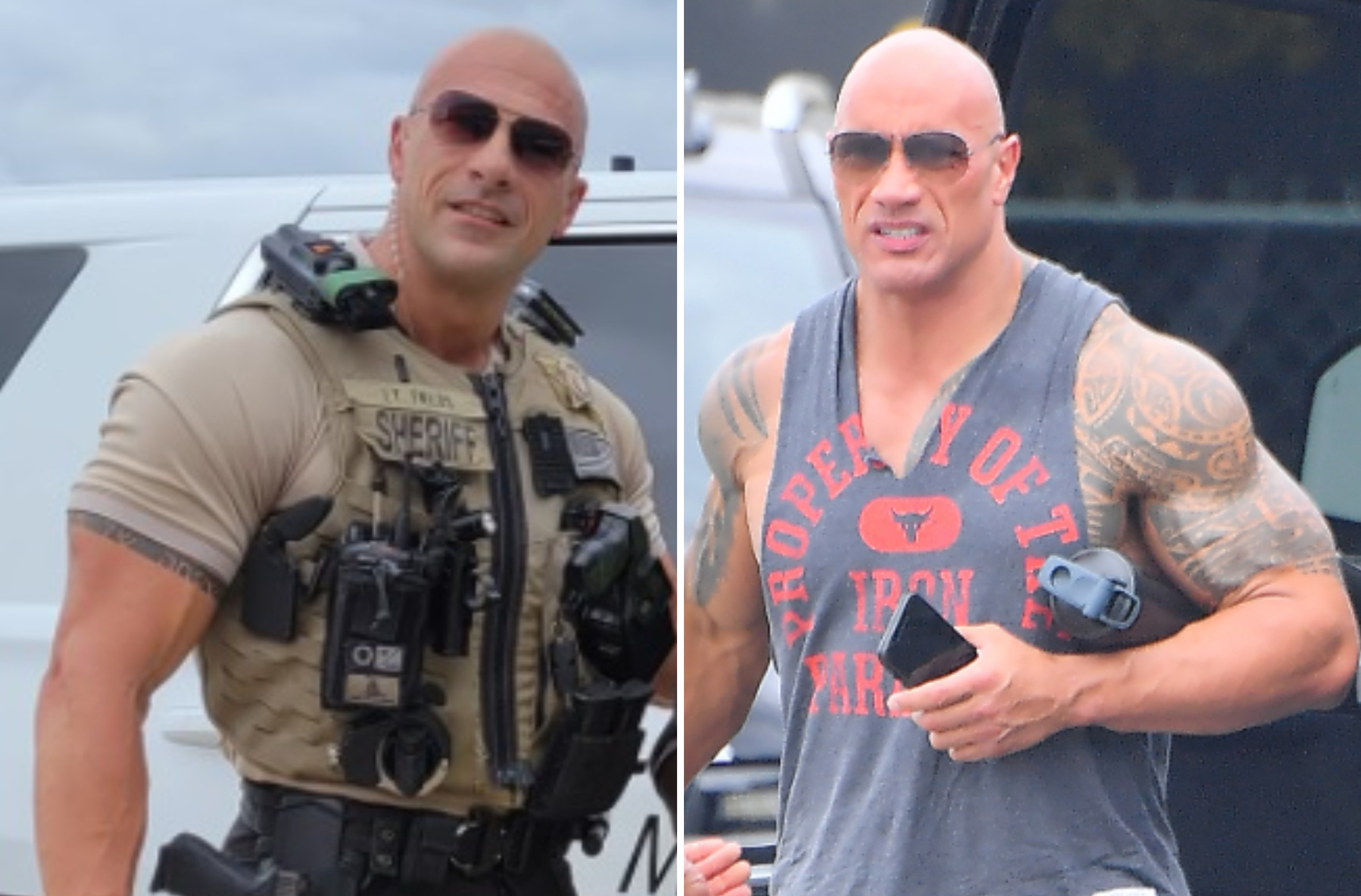
People Think This Cop Looks Like Dwayne 'The Rock' Johnson
ncG1vNJzZmialae4orSNm6Ooml6YvLOxjbCgp5yfrMBvusStZpudnprEtHvEq6CcZZaesq2w0maYpZmSlrqiecKop2egpKK5