Tamera Mowry's son, Aden John Housley, was born with a rare genetic disorder called Trisomy 21, also known as Down syndrome.
Down syndrome is a chromosomal condition that occurs when an individual has three copies of chromosome 21 instead of the usual two copies. It can cause a range of physical and developmental challenges, including intellectual disability, speech and language delays, and physical growth problems.
Aden was born on November 12, 2012. Tamera and her husband, Adam Housley, have been open about Aden's diagnosis and have shared their journey with their fans and followers on social media. They have also been involved in raising awareness for Down syndrome and supporting other families who have children with the condition.
Aden is a happy and loving child who brings joy to his family and everyone who knows him. He is an inspiration to others and shows that individuals with Down syndrome can live full and happy lives.
What Happened to Tamera Mowry's Son
Tamera Mowry's son, Aden John Housley, was born with a rare genetic disorder called Trisomy 21, also known as Down syndrome. Trisomy 21 is a chromosomal condition that occurs when an individual has three copies of chromosome 21 instead of the usual two copies. It can cause a range of physical and developmental challenges, including intellectual disability, speech and language delays, and physical growth problems.
- Genetic condition: Trisomy 21 (Down syndrome)
- Symptoms: Intellectual disability, speech and language delays, physical growth problems
- Diagnosis: Prenatal testing or after birth
- Treatment: Early intervention and therapies to support development
- Support: Family, friends, and organizations dedicated to Down syndrome
- Awareness: Tamera Mowry and other celebrities have raised awareness about Down syndrome
- Inspiration: Aden and other individuals with Down syndrome inspire others and show that they can live full and happy lives
- Love and acceptance: Aden is loved and accepted by his family and community
These aspects highlight the challenges and joys of raising a child with Down syndrome. Tamera Mowry's openness about Aden's diagnosis has helped to break down stigma and raise awareness about Down syndrome. She and her family are an inspiration to others who are facing similar challenges.
Personal details and bio data of Tamera Mowry:
| Name: | Tamera Mowry-Housley |
| Born: | July 6, 1978 |
| Occupation: | Actress, singer, television personality |
| Spouse: | Adam Housley |
| Children: | Aden John Housley, Ariah Talea Housley |
Genetic condition
Trisomy 21, also known as Down syndrome, is a genetic condition that occurs when an individual has three copies of chromosome 21 instead of the usual two copies. It is the most common genetic cause of intellectual disability, and it can cause a range of physical and developmental challenges.
- Causes
Trisomy 21 is caused by an error in cell division that occurs during the formation of the egg or sperm. This error results in an extra copy of chromosome 21, which can lead to the physical and developmental challenges associated with Down syndrome. - Symptoms
The symptoms of Down syndrome can vary from person to person, but some of the most common symptoms include intellectual disability, speech and language delays, physical growth problems, and distinctive facial features. - Diagnosis
Down syndrome can be diagnosed prenatal testing or after birth. Prenatal testing can be done through a blood test or an ultrasound. After birth, Down syndrome can be diagnosed based on the physical and developmental characteristics of the child. - Treatment
There is no cure for Down syndrome, but there are a variety of therapies and interventions that can help to improve the quality of life for individuals with Down syndrome. These therapies can include speech therapy, physical therapy, and occupational therapy.
Trisomy 21 is a complex genetic condition that can have a significant impact on the life of an individual. However, with early intervention and support, individuals with Down syndrome can live full and happy lives.
Symptoms
Tamera Mowry's son, Aden, was born with Down syndrome, a genetic condition that can cause a range of physical and developmental challenges, including intellectual disability, speech and language delays, and physical growth problems.
- Intellectual Disability
Intellectual disability is a condition characterized by significant limitations in both intellectual functioning and adaptive behavior, which covers a range of everyday social and practical skills. In the context of Down syndrome, intellectual disability may manifest as difficulties with learning, problem-solving, and social interaction.
- Speech and Language Delays
Speech and language delays are common in children with Down syndrome. They may have difficulty understanding and producing speech, and their language development may be delayed compared to their peers. This can impact their ability to communicate and interact with others.
- Physical Growth Problems
Children with Down syndrome may also experience physical growth problems, such as short stature, hypotonia (low muscle tone), and joint hyperlaxity (loose joints). These physical challenges can affect their mobility, coordination, and overall health.
It is important to note that the symptoms of Down syndrome can vary from person to person. Some individuals may have mild symptoms, while others may have more severe challenges. Early intervention and support can help to improve the quality of life for individuals with Down syndrome and help them to reach their full potential.
Diagnosis
The diagnosis of Down syndrome can be made either prenatally (before birth) or after birth. Prenatal testing can be done through a blood test or an ultrasound. After birth, Down syndrome can be diagnosed based on the physical and developmental characteristics of the child.
- Prenatal testing
Prenatal testing for Down syndrome is typically offered to women who are at high risk for having a child with the condition. This includes women who are over the age of 35, who have a family history of Down syndrome, or who have had a previous child with Down syndrome. Prenatal testing can help parents to make informed decisions about their pregnancy and to prepare for the birth of a child with Down syndrome.
- Postnatal diagnosis
If Down syndrome is not diagnosed prenatally, it will typically be diagnosed after birth. This can be done based on the physical and developmental characteristics of the child. These characteristics may include intellectual disability, speech and language delays, physical growth problems, and distinctive facial features.
The diagnosis of Down syndrome can be a challenging time for families. However, it is important to remember that Down syndrome is not a life-limiting condition. With early intervention and support, individuals with Down syndrome can live full and happy lives.
Treatment
The diagnosis of Down syndrome can be a challenging time for families, but it is important to remember that Down syndrome is not a life-limiting condition. With early intervention and support, individuals with Down syndrome can live full and happy lives.
- Early intervention
Early intervention is key to helping children with Down syndrome reach their full potential. Early intervention services can include speech therapy, physical therapy, and occupational therapy. These services can help children with Down syndrome to develop the skills they need to communicate, move around, and interact with their environment.
- Therapies
There are a variety of therapies that can be helpful for children with Down syndrome. These therapies can include speech therapy, physical therapy, occupational therapy, and music therapy. Therapies can help children with Down syndrome to improve their communication skills, physical skills, and social skills.
Early intervention and therapies can make a significant difference in the life of a child with Down syndrome. These services can help children to reach their full potential and to live happy and fulfilling lives.
Support
Individuals with Down syndrome, like Tamera Mowry's son Aden, often require additional support throughout their lives. Fortunately, there are numerous resources available to provide this support, including family, friends, and organizations dedicated to Down syndrome.
- Family
Family members play a vital role in providing support for individuals with Down syndrome. They can offer emotional support, practical assistance, and a sense of belonging. Families can also advocate for their loved ones and help them to access the resources they need.
- Friends
Friends can also be a source of support for individuals with Down syndrome. They can provide companionship, emotional support, and a sense of community. Friends can also help individuals with Down syndrome to develop social skills and participate in activities.
- Organizations
There are a number of organizations that are dedicated to supporting individuals with Down syndrome. These organizations can provide a variety of services, such as educational programs, social activities, and support groups. Organizations can also provide resources and information to families and friends of individuals with Down syndrome.
The support of family, friends, and organizations can make a significant difference in the life of an individual with Down syndrome. This support can help individuals with Down syndrome to reach their full potential and to live happy and fulfilling lives.
Awareness
The diagnosis of Down syndrome in Tamera Mowry's son, Aden, brought increased attention and awareness to the condition. Mowry and other celebrities have played a significant role in raising awareness about Down syndrome and challenging stereotypes associated with the condition.
- Public platforms and social media
Celebrities with children who have Down syndrome, like Tamera Mowry, use their public platforms and social media presence to share their experiences and advocate for individuals with Down syndrome. They normalize the condition and challenge misconceptions.
- Media representation
The inclusion of characters with Down syndrome in television shows, movies, and other media helps to increase visibility and promote understanding. It breaks down barriers and allows people to see individuals with Down syndrome as part of society.
- Educational campaigns
Celebrities partner with organizations dedicated to Down syndrome to launch educational campaigns and raise awareness about the condition. These campaigns provide information about Down syndrome, its impact, and the importance of inclusion.
- Fundraising and support
Celebrities use their influence to raise funds and support organizations that provide services and resources to individuals with Down syndrome and their families. They help to ensure access to early intervention, therapies, and other essential support.
The efforts of Tamera Mowry and other celebrities have significantly contributed to raising awareness about Down syndrome, challenging stereotypes, and promoting inclusion. Their advocacy has helped to improve the lives of individuals with Down syndrome and their families.
Inspiration
Aden Housley, the son of actress Tamera Mowry, is one of many individuals with Down syndrome who inspire others with their strength, resilience, and joy. Their stories challenge stereotypes and misconceptions, shedding light on the abilities and potential of people with Down syndrome.
- Breaking Barriers and Challenging Stereotypes
Individuals with Down syndrome, like Aden, break down barriers and challenge societal expectations. They demonstrate that people with disabilities can lead fulfilling and active lives, defying stereotypes and inspiring others to embrace diversity and inclusion.
- Promoting Understanding and Empathy
Aden and others with Down syndrome foster understanding and empathy in society. Their experiences and perspectives educate the public, promoting a more inclusive and compassionate world.
- Highlighting Abilities and Potential
Individuals with Down syndrome possess unique abilities and talents. Aden's story showcases the importance of recognizing and nurturing these abilities, providing opportunities for growth and participation.
The inspiration drawn from Aden and others with Down syndrome extends beyond their immediate circles, impacting the broader community. Their stories encourage us to celebrate diversity, value inclusivity, and strive for a society where everyone has the opportunity to reach their full potential.
Love and acceptance
The love and acceptance that Aden Housley, the son of actress Tamera Mowry, receives from his family and community is a crucial aspect of his well-being and development. This love and acceptance provide a foundation of support that empowers him to thrive and reach his full potential.
- Unconditional love and support
Aden's family and community offer him unconditional love and support, regardless of his challenges. They embrace his unique qualities and celebrate his achievements, creating a nurturing environment where he feels valued and loved.
- Acceptance of diversity
Aden's family and community recognize and accept that he is an individual with unique abilities and needs. They embrace diversity and inclusion, fostering an environment where everyone feels respected and valued, regardless of their differences.
- Promotion of self-esteem
The love and acceptance that Aden receives from his family and community contribute to his positive self-esteem. He learns to value himself and his abilities, developing a strong sense of self-worth and confidence.
- Building a strong support network
The loving and supportive environment that Aden experiences extends beyond his immediate family to include his community. This strong support network provides him with a sense of belonging, security, and resilience.
The love and acceptance that Aden receives are essential for his overall well-being and development. They create a foundation of support that empowers him to thrive and reach his full potential, demonstrating the profound impact of love and acceptance on individuals with Down syndrome.
FAQs about Tamera Mowry's Son
This section addresses frequently asked questions (FAQs) about Tamera Mowry's son, providing concise and informative answers to common concerns and misconceptions.
Question 1: What is Down syndrome?Down syndrome is a genetic condition that occurs when an individual has three copies of chromosome 21 instead of the usual two. This extra copy of genetic material leads to the characteristic physical and developmental features associated with Down syndrome.
Question 2: How was Tamera Mowry's son diagnosed with Down syndrome?Tamera Mowry's son, Aden, was diagnosed with Down syndrome after birth. The diagnosis was made based on his physical and developmental characteristics.
Question 3: What are the common symptoms of Down syndrome?Common symptoms of Down syndrome include intellectual disability, speech and language delays, physical growth problems, and distinctive facial features.
Question 4: Is Down syndrome a life-limiting condition?No, Down syndrome is not a life-limiting condition. With early intervention and support, individuals with Down syndrome can live full and happy lives.
Question 5: What kind of support is available for individuals with Down syndrome and their families?There are numerous resources available to support individuals with Down syndrome and their families, including early intervention services, therapies, and support groups. Additionally, organizations dedicated to Down syndrome provide information, advocacy, and a sense of community.
Question 6: How can we promote inclusion and understanding of individuals with Down syndrome?Promoting inclusion and understanding of individuals with Down syndrome requires challenging stereotypes, raising awareness, and creating opportunities for interaction and participation. By valuing diversity and embracing everyone's unique abilities, we can foster a more inclusive society.
In conclusion, understanding the facts about Down syndrome and the experiences of individuals like Tamera Mowry's son is crucial for dispelling misconceptions and promoting a supportive and inclusive environment where everyone can thrive.
Transition to the next article section:For further information and resources on Down syndrome, please refer to the following reputable sources:
Tips for Supporting Individuals with Down Syndrome
To effectively support individuals with Down syndrome and their families, consider the following practical tips:
Tip 1: Embrace Inclusive Language
Use respectful and person-first language that focuses on the individual rather than their condition. Avoid using labels or terms that perpetuate stereotypes.
Tip 2: Foster a Welcoming Environment
Create inclusive spaces where individuals with Down syndrome feel valued and respected. Encourage open communication, understanding, and a sense of belonging.
Tip 3: Respect Individuality
Recognize that each person with Down syndrome is unique, with their own strengths, abilities, and needs. Avoid making assumptions or treating them differently based on stereotypes.
Tip 4: Provide Access to Resources
Ensure that individuals with Down syndrome have access to appropriate healthcare, educational, and social services. Advocate for their rights and support their families in navigating available resources.
Tip 5: Encourage Education and Awareness
Promote accurate information and understanding about Down syndrome. Challenge misconceptions and educate others about the abilities and potential of individuals with Down syndrome.
Tip 6: Celebrate Diversity
Value the diversity that individuals with Down syndrome bring to society. Recognize and celebrate their unique contributions and perspectives.
Tip 7: Practice Patience and Understanding
Communicating and interacting with individuals with Down syndrome may require patience and understanding. Allow them the time and support they need to express themselves and participate fully.
Tip 8: Offer Ongoing Support
Supporting individuals with Down syndrome is an ongoing process. Provide consistent encouragement, advocacy, and assistance as they navigate different stages of life and pursue their aspirations.
By implementing these tips, we can create a more inclusive and supportive society where individuals with Down syndrome have the opportunity to reach their full potential and live fulfilling lives.
Conclusion
The journey of Tamera Mowry's son, Aden, with Down syndrome sheds light on the challenges and triumphs faced by individuals with this condition. Through early intervention, therapies, and unwavering support from family and community, Aden has demonstrated the resilience, joy, and potential inherent in individuals with Down syndrome.
Understanding Down syndrome and embracing inclusive practices is crucial for fostering a society where everyone has the opportunity to thrive. By valuing diversity, promoting acceptance, and providing ongoing support, we can empower individuals with Down syndrome to reach their full potential and live fulfilling lives. Their presence enriches our communities and reminds us of the importance of celebrating human differences.
Cameron Monaghan In Malcolm In The Middle: Unraveling A Complex Character
Unveiling Troy Polamalu's Gridiron Destiny: A Position Of Impact
Unraveling The Enigma: Are Zoe And Nick Still Together?
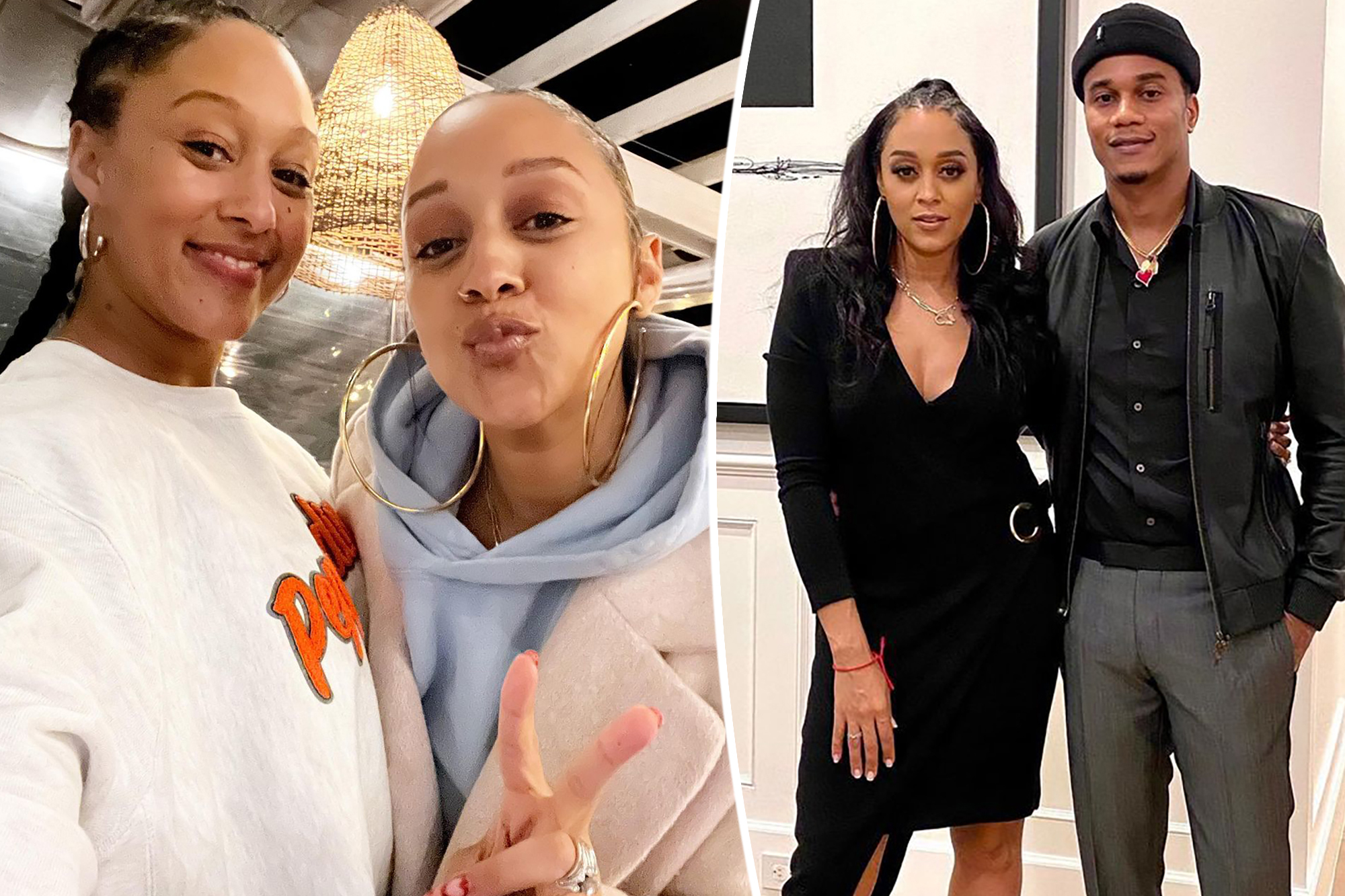
Tamera Mowry Page Six

What Happened to Tamera Mowry

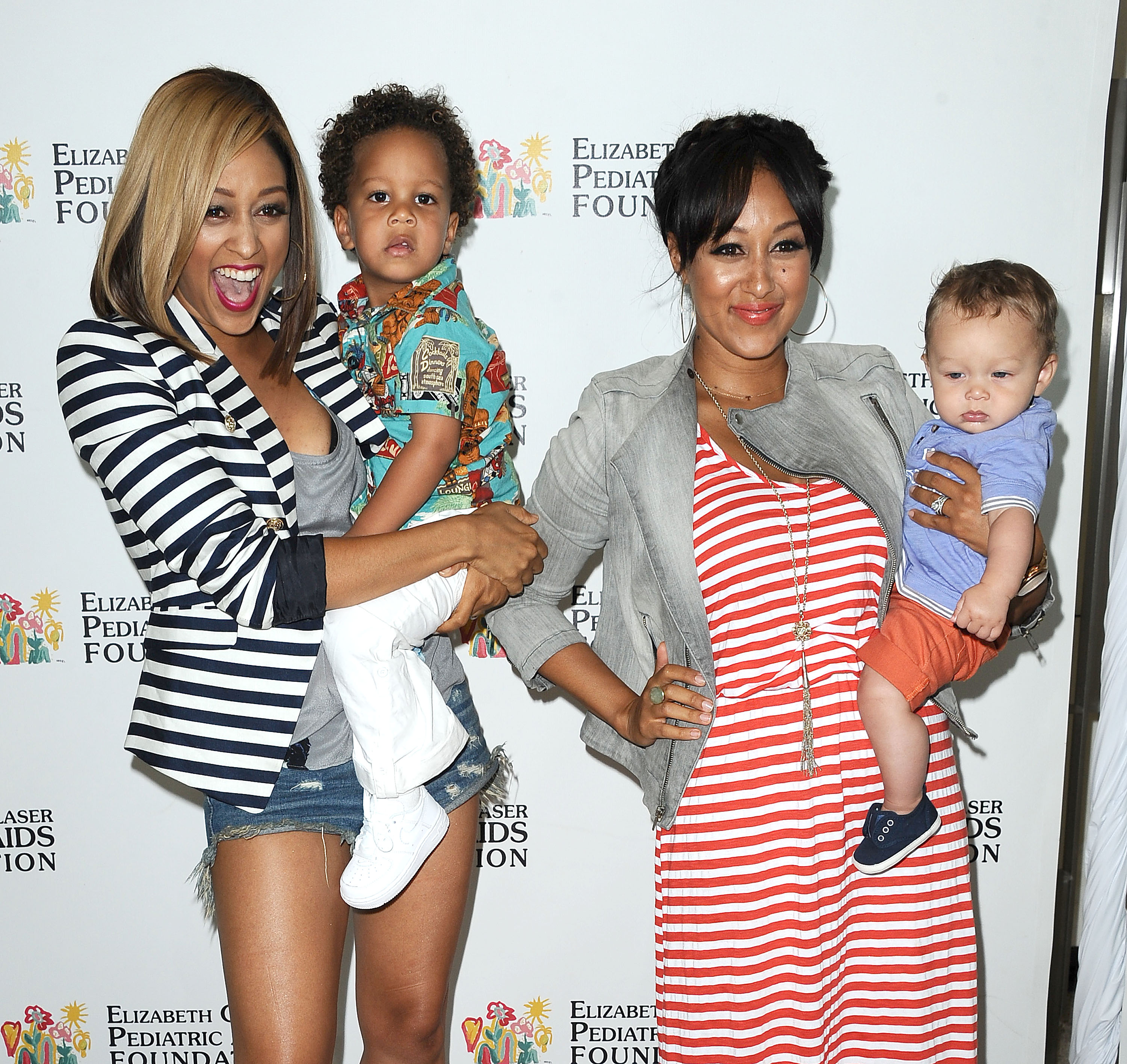
Tamera Mowry and her son. Awww Hair Pinterest Tamera mowry
Tamera Mowry quits The Real to ‘spend more time with family’ and

What Happened To Tamera Mowry? Is She Sick? Health And Illness Update
ncG1vNJzZmibkaOupa3Nnq6sZpKhvKN6wqipnmannrulu9asZaedpGSwprfOcGawoJGpeqmtz6mcp52UYsGwedOapJ6qkWK6sMPRsmSsp55jtbW5yw%3D%3D